

SenseAnywhere Ireland

0-10V Input Module

Transform

Transforms analogue measurements into digital data

Realtime

Real-time digital measurements with alarm functions

Calibration

Individual calibration

Limitless

Limitless measurement possibilities

Limitless possibilities

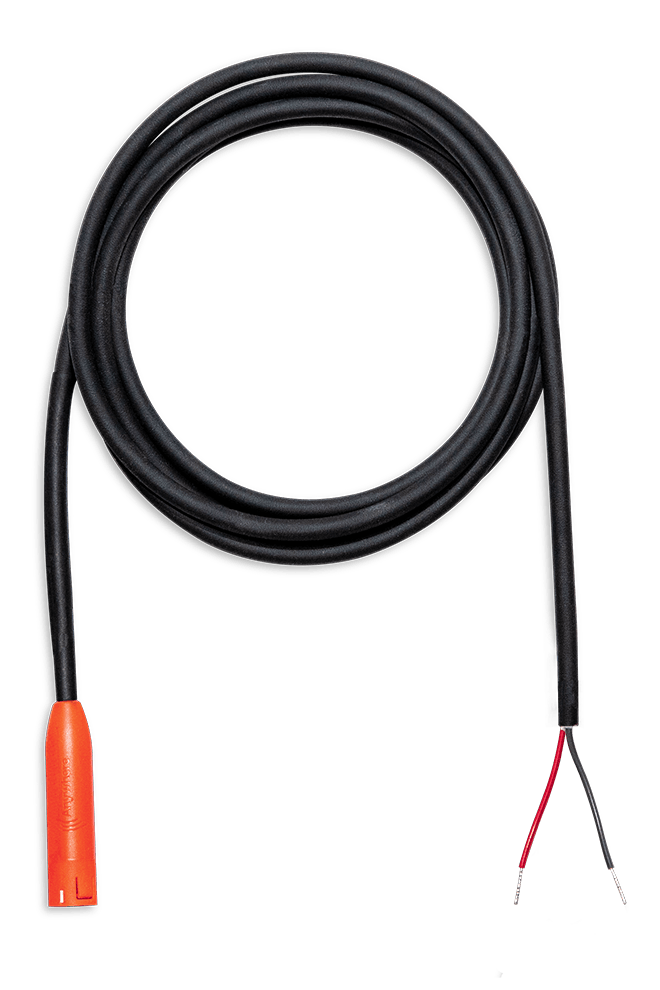
The SenseAnywhere 0-10V Input Module is a smart piece of technology that enables digital measurements for all analogue products with a 0-10V output, an industry standard. The Input Module offers limitless possibilities, as all analogue equipment with a 0-10V output can be monitored digitally with high accuracy, allowing for the measurement of CO2, air density and the number of dust particles in cleanrooms, among other things.
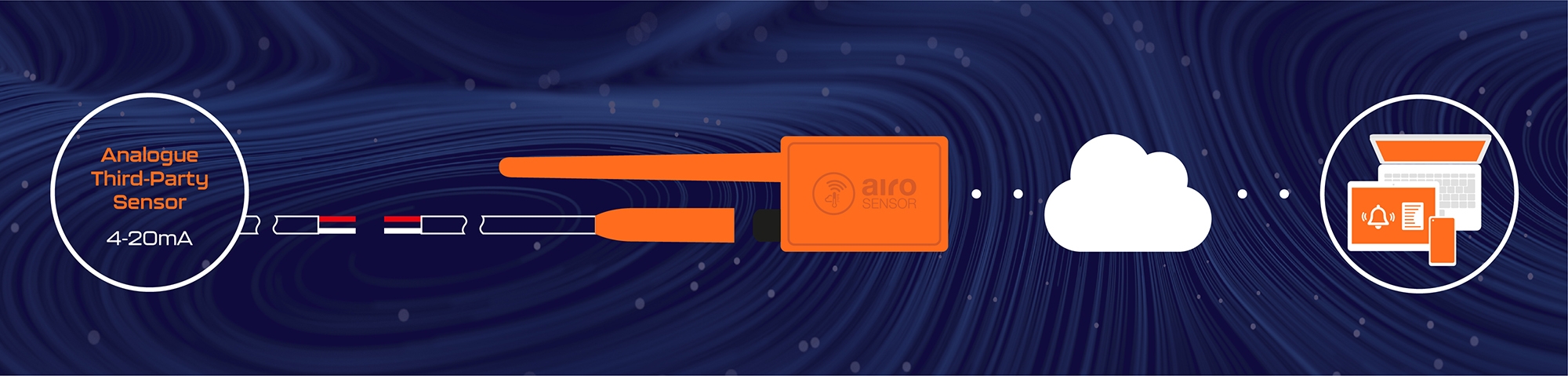
Illustration External Modules 4 20mA

lap

Individual calibration

Thanks to the SAB interface, the 0-10V Input Module has integrated electronics and can therefore be calibrated. This means that only the 0-10V Input Module needs to be calibrated, rather than all measuring devices individually. Because the Input Module can easily be hot-swapped, the monitoring data are measured continuously, and no data loss occurs.

Your data in a secure personal environment

You can access your data and edit settings of your devices in the SenseAnywhere client portal. Our software is validated. We follow the rules of GxP, and we offer customers tools to become GxP compliant: our Validation package contains a Design Qualification (DQ), Manufacturer Software Validation (MSV), Installation Qualification (IQ) and Operational Qualification (OQ) Our software is constantly updated and extended with features. In our portal you may:

  • Manage the settings of your devices
  • Set alarm profiles
  • Schedule and download reports
  • View complete audit trails to see which users have performed which actions in the system and when.
SenseAnywhere free 7 day trial

Questions & answers

Frequently asked questions

The page describes equipment with an industry-standard 0–10V output. The module converts its analogue measurements into digital data for the SenseAnywhere system. Confirm the particular equipment's output and connection requirements rather than assuming compatibility with every analogue sensor.

The page gives CO2, air density and cleanroom dust-particle measurements as examples enabled by compatible analogue equipment. The input module converts the equipment's voltage signal; it is not presented as a standalone sensor for all those parameters. A suitable external measuring device is needed.

The module transforms analogue readings into digital data that can be monitored through the SenseAnywhere platform. The page lists real-time measurements with alarm functions. Relevant alarm profiles and an appropriate system connection need to be configured for the equipment being monitored.

The page explains that the SAB interface includes integrated electronics, allowing the 0–10V Input Module to be calibrated as an individual device. This separates its calibration from the logger pairing described for analogue interfaces. Any calibration requirements of the attached measuring equipment should also be assessed.

Yes. The page describes the input module as easily hot-swapped and presents this as a way to maintain continuous monitoring measurements during calibration changes. Follow the appropriate replacement process for your system rather than treating any disconnection as automatically gap-free.

The SAB interface provides the integrated electronics described for module calibration and connection within the SenseAnywhere measurement setup. It allows the analogue-to-digital module to be treated as a separate device. Check the compatible logger and connection details with the team when specifying the solution.

The page describes access through the SenseAnywhere client portal in a secure personal environment. Users can review measurement information and manage device settings. The complete setup needs compatible measuring equipment, the module, a suitable logger and cloud connectivity.

Yes. The client-portal functions on this page include scheduling and downloading reports. Users can also manage device settings and set alarm profiles. The reporting features available should be considered alongside the selected software subscription and operational requirements.

The page lists complete audit trails showing which users performed actions in the system and when. This supports review of system activity separately from the measurement values themselves. Access and quality procedures should be established for the people using the monitoring platform.

The page states that the software is validated and describes a package containing DQ, MSV, IQ and OQ. These tools support customers seeking GxP-compliant implementation. They do not remove the need to assess the complete configured system for its intended regulated use.