

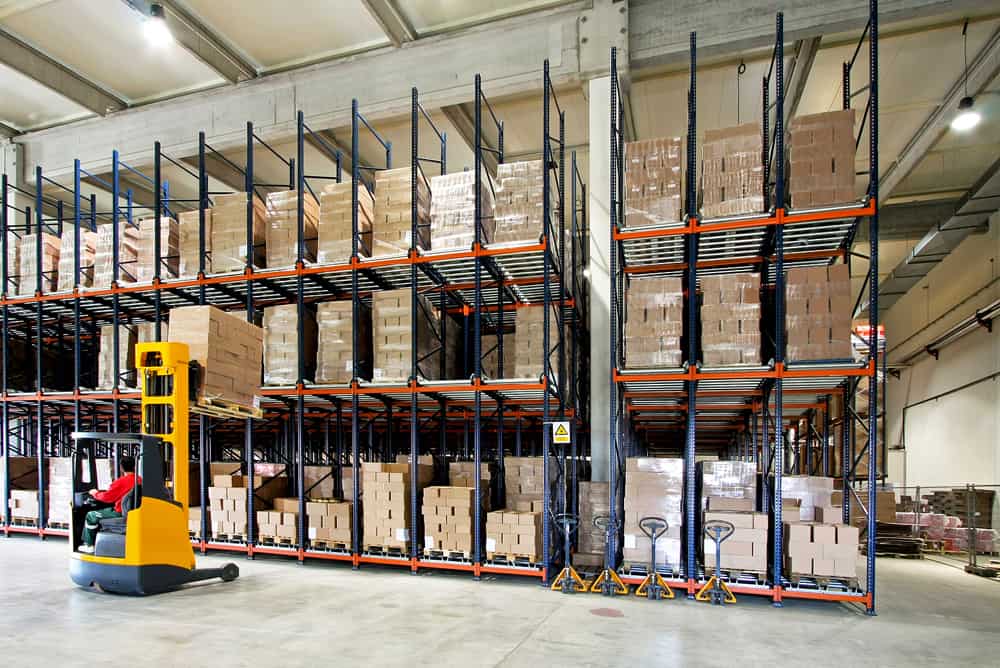
Warehousing & Logistics Solutions with IoT Sensors
In the fast-paced world of warehousing and logistics, efficiency, visibility, and real-time data are crucial for success. At SenseAnywhere, we provide state-of-the-art sensor technology that revolutionizes how businesses monitor and manage their warehouse and logistics operations. Our innovative IoT-based sensor solutions offer unparalleled insight into environmental conditions, asset tracking, and operational performance, ensuring a seamless supply chain from start to finish.

Enhanced Operational Efficiency
By leveraging SenseAnywhere’s advanced sensor technology, businesses can optimize their warehousing and logistics processes, significantly improving efficiency and reducing overhead costs. Our sensors enable real-time monitoring of temperature, humidity, location, and equipment status, ensuring goods are stored under optimal conditions, preventing spoilage, damage, or unnecessary loss. This is particularly critical for industries that handle sensitive products, such as pharmaceuticals or perishable goods, where environmental control is paramount.
Features & Overview
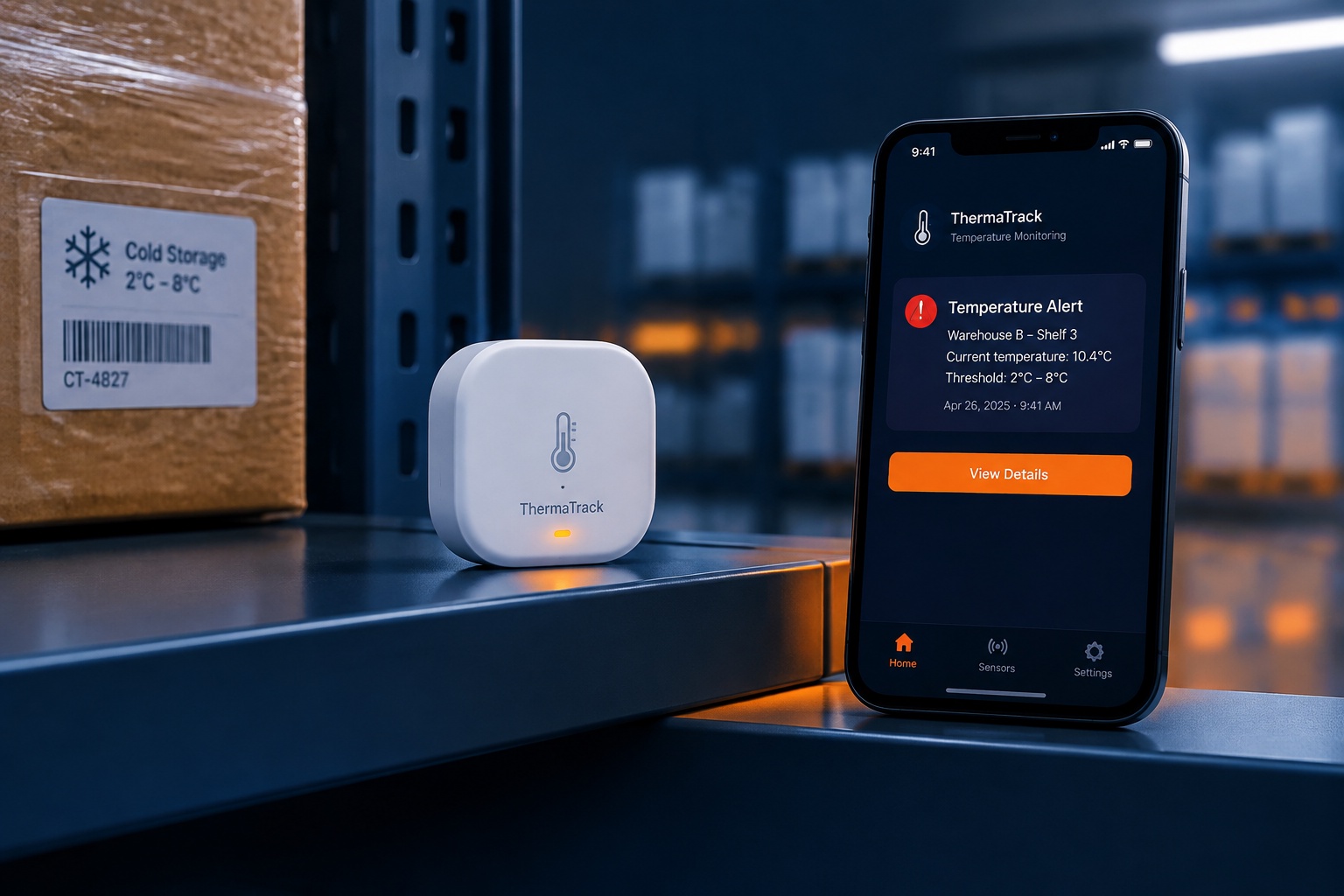
Alarms
Receive notifications per email or SMS when limits are exceeded
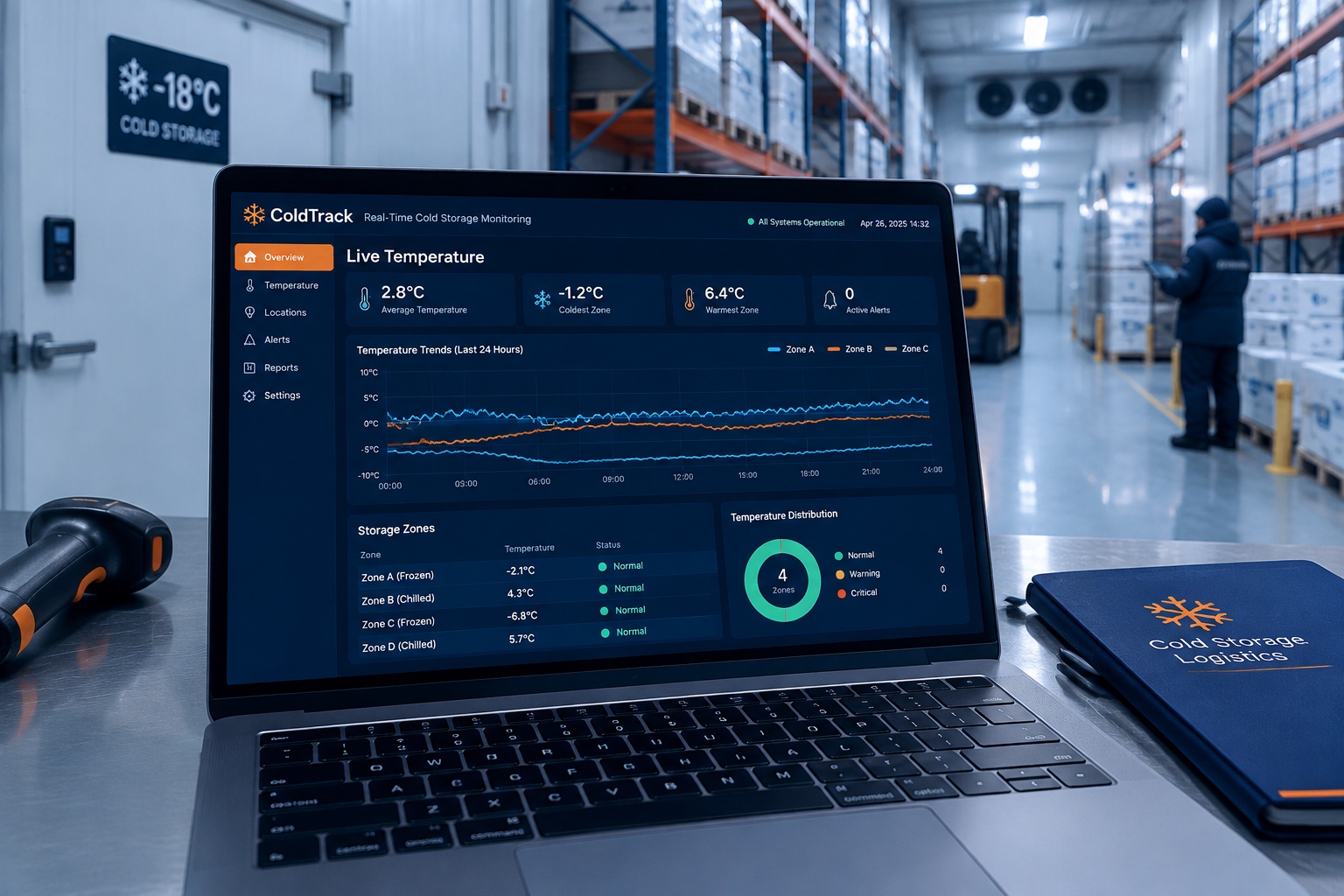
Real-time
24/7 monitoring gives you a complete audit trail of your products

Seamless Roaming
Automatic network discovery, so no pairing required
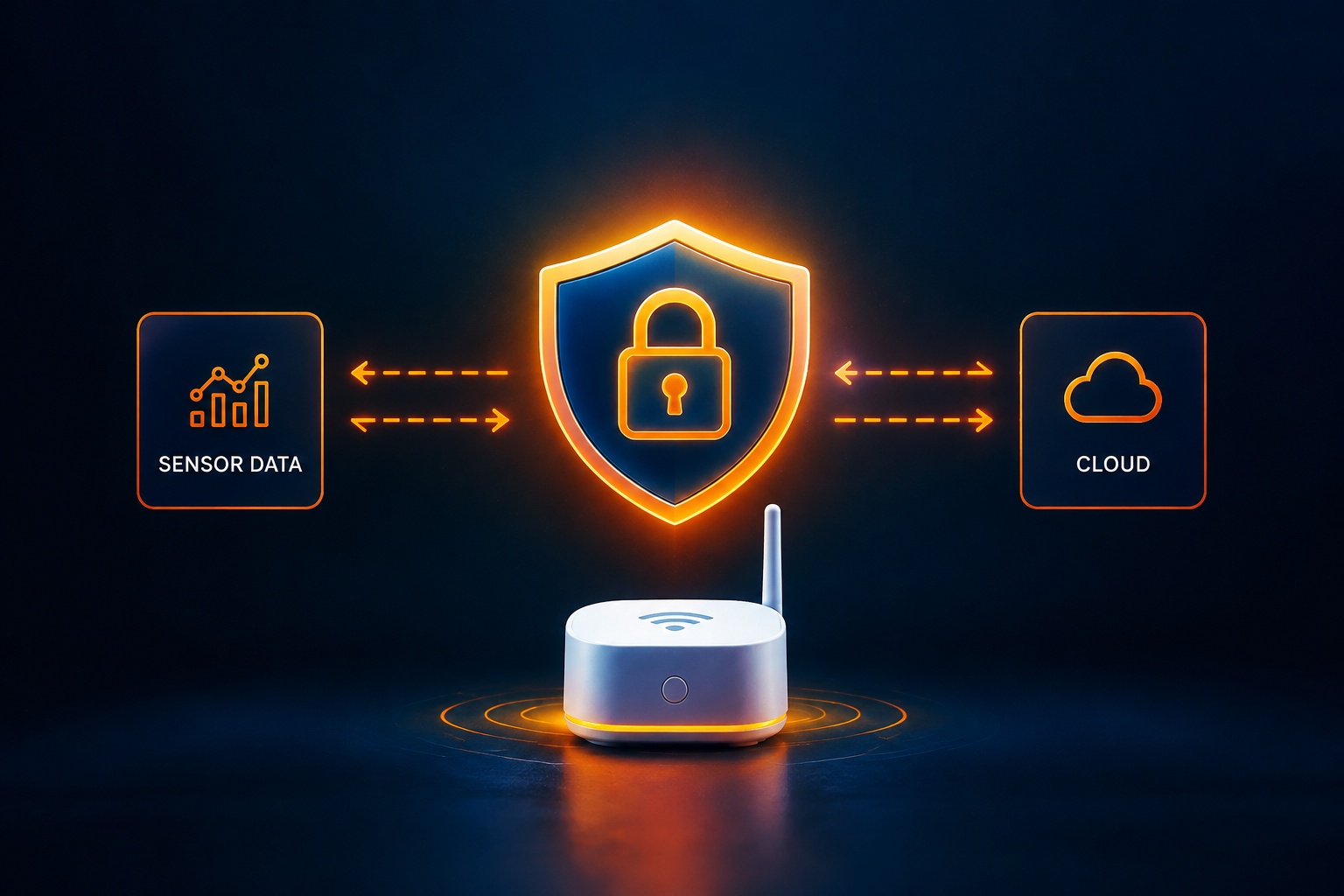
Security
The wireless communication is a secure 2-way communication

Ultra-low-power
Our unique and efficient wireless protocol allows you to receive >1 million measurements in the Cloud which means a 10-year battery life
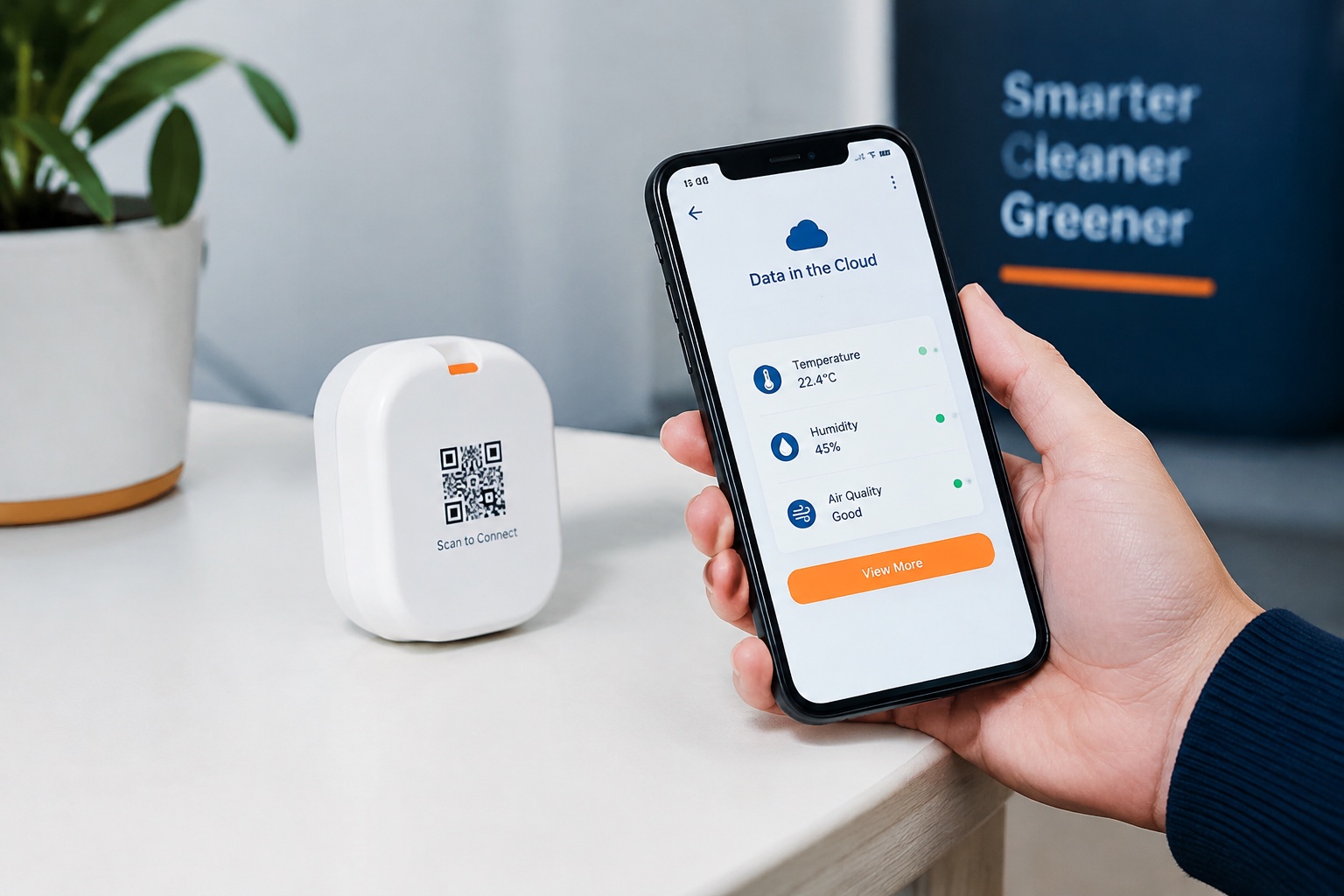
Interactive display
By scanning the device’s unique QR code you can immediately view your data in the Cloud

Real-Time Data & Analytics
With our wireless sensors, data is automatically collected and transmitted to a centralized system, providing businesses with immediate insights into warehouse conditions. This real-time visibility allows warehouse managers to make informed decisions quickly, whether it’s adjusting climate settings or managing inventory movements. The ability to view live data from anywhere offers greater control and transparency, facilitating smarter logistics operations that are more responsive to changes in demand or supply chain disruptions.

Asset Tracking & Security
Tracking assets and inventory is a fundamental aspect of logistics, and SenseAnywhere’s IoT sensors play a key role in ensuring that goods are always accounted for. Our sensor solutions allow for precise monitoring of the location of products, pallets, or containers within large warehouses or during transit, providing instant updates on their movements. This helps reduce loss, theft, and errors, ensuring that your operations are both secure and efficient.
Key benefits include
-
Secure live data sent straight to the cloud
-
Instant alerts for temperature alarms
-
Access via smart device from anywhere in the world
-
Innovative user-friendly software
-
10-year battery life
-
24/7 monitoring access data whenever, wherever
-
Reports generated at the click of a button
-
Cost-effective, robust and waterproof
-
Swap out feature for recalibration period no time gaps
-
Model with external probe available for expanded temp range
-
Convenient monitoring throughout transport with the optional SwitchHolder

Predictive Maintenance & Cost Reduction
Beyond tracking and monitoring environmental factors, our sensors also provide critical insights into the performance of warehouse equipment, such as forklifts, conveyors, and HVAC systems. By monitoring operational status and wear-and-tear patterns, businesses can schedule maintenance proactively, reducing downtime and preventing costly repairs. This predictive maintenance capability lowers long-term costs while improving the overall productivity of warehouse operations.

Seamless Integration
SenseAnywhere’s sensor solutions are designed to integrate easily with existing warehouse management systems (WMS) and enterprise resource planning (ERP) software. This ensures that businesses can leverage their current infrastructure while enhancing it with cutting-edge sensor technology for a smarter, more connected operation.

Future-Proof Logistics
The logistics industry is continually evolving, and staying ahead of the curve requires flexibility and innovation. SenseAnywhere’s IoT sensors are not only equipped to address current operational challenges, but they are also adaptable to future technological advancements. As your business grows and the logistics landscape evolves, our solutions can scale with you, ensuring continued success in the years ahead.
Incorporating SenseAnywhere’s sensor technology into your warehousing and logistics operations allows you to enhance operational performance, reduce risks, and increase customer satisfaction. With real-time data, seamless tracking, and predictive insights, you can achieve more efficient and secure logistics, driving greater value across your supply chain.